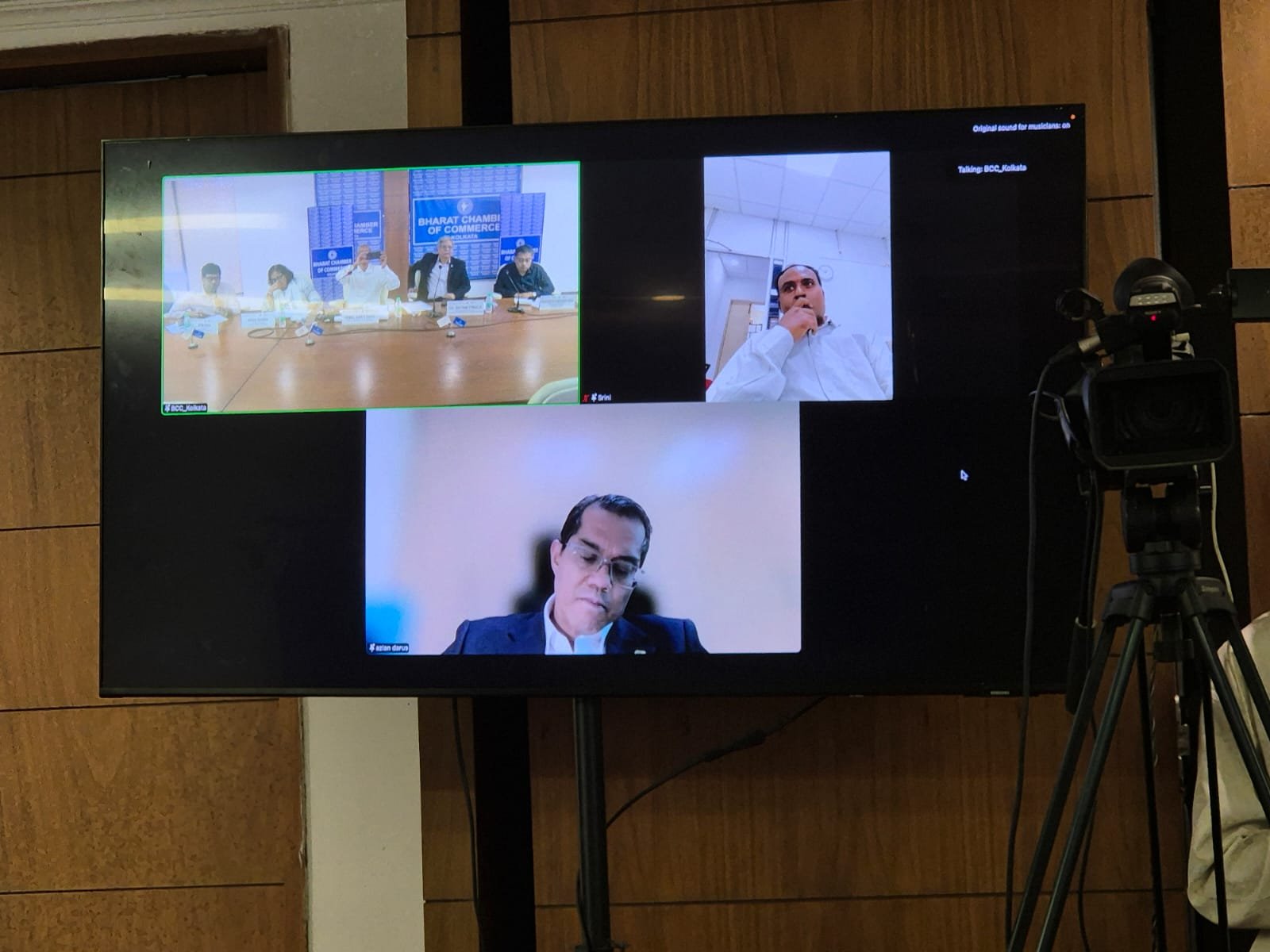
Core Committee Meeting Held for Proposed Centre of Excellence on OSH, Social Security & Labour Laws
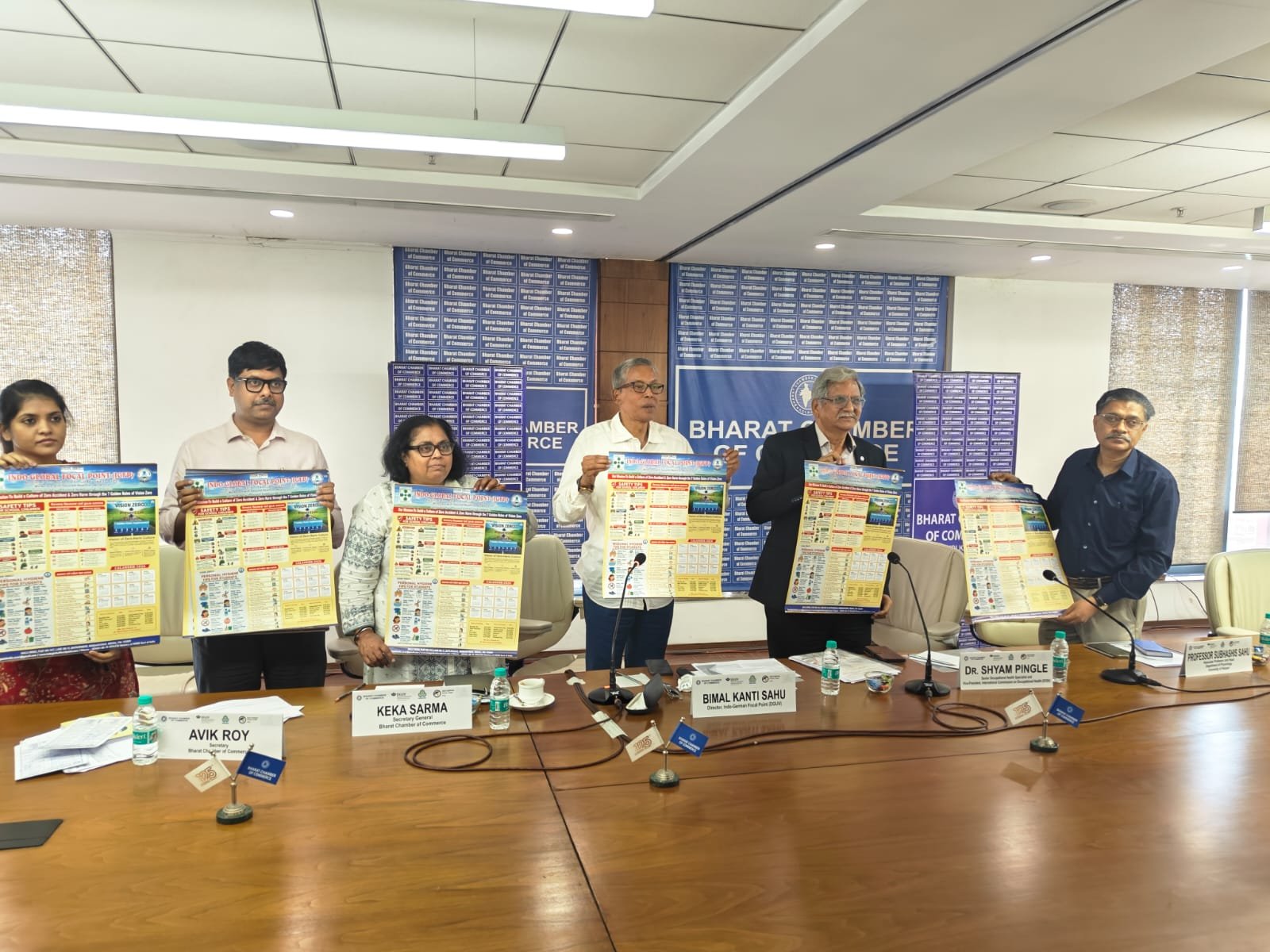
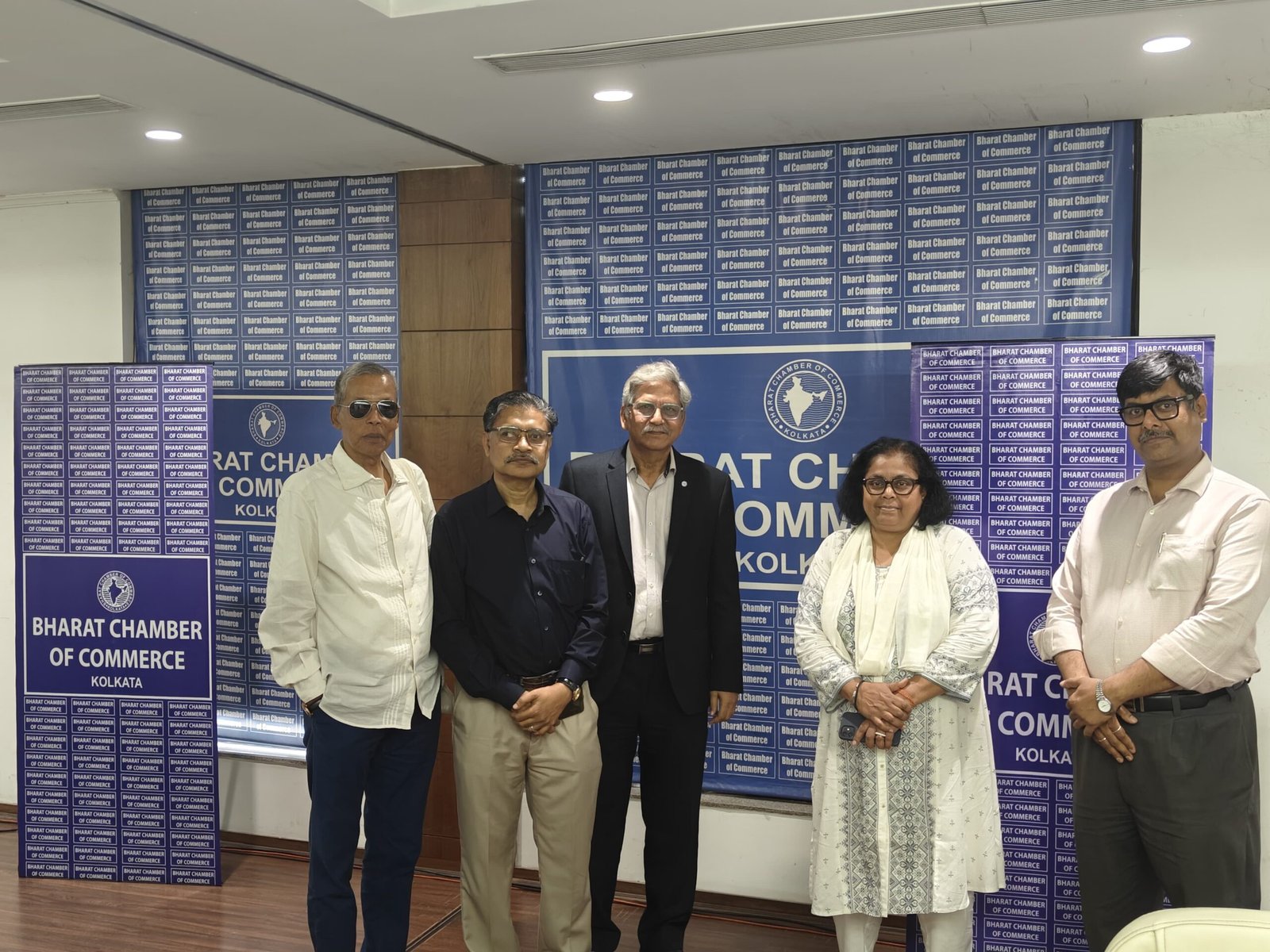
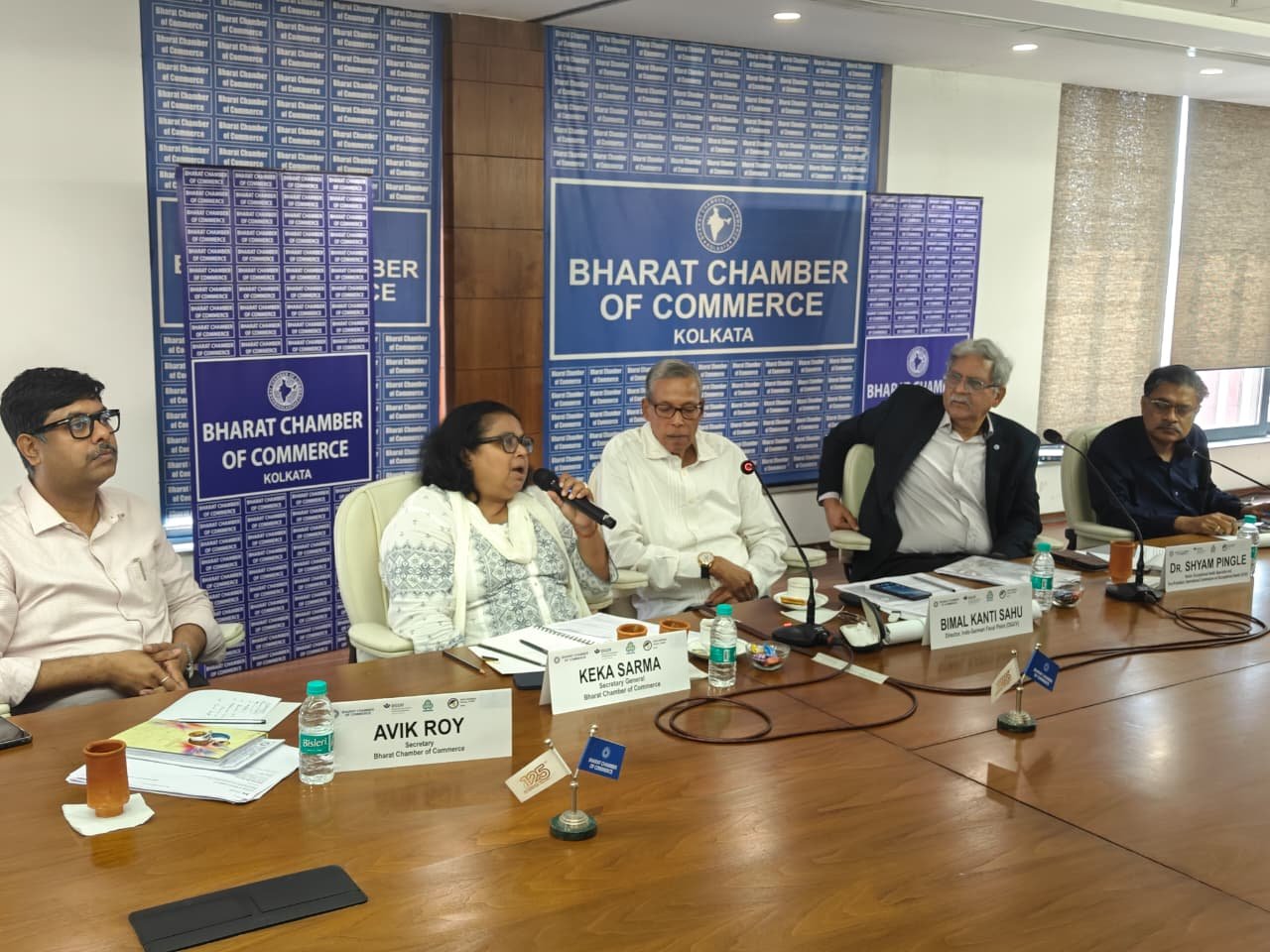
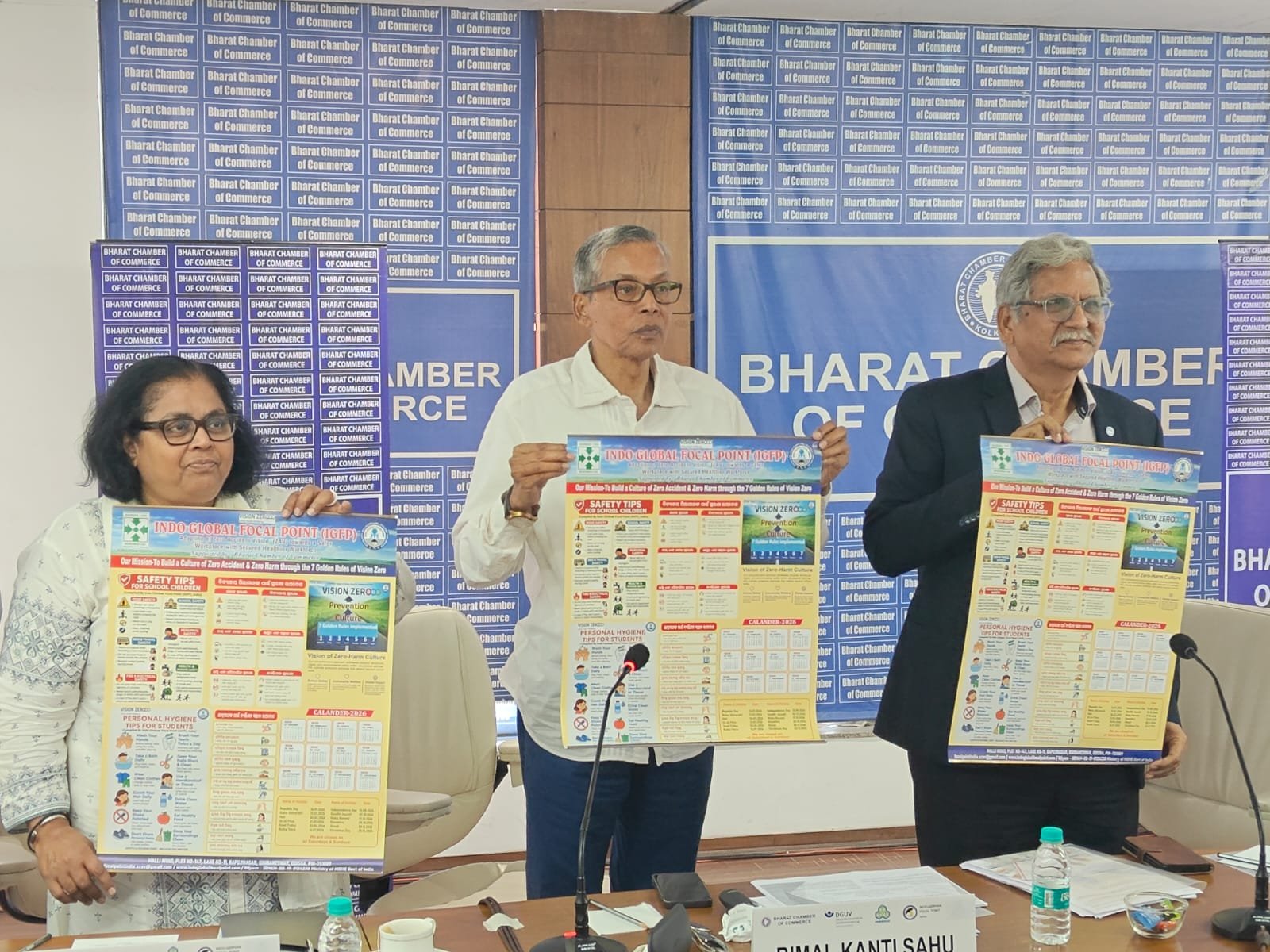
The first Core Committee Meeting for the proposed Centre of Excellence (CoE) on Occupational Safety & Health (OSH), Social Security (SS), and Labour Laws (LLs) was successfully held on 9th March 2026, marking an important step toward building a collaborative and future-focused platform.
The meeting witnessed active participation from international partners, including Dr. Azlan, Head of Prevention at PERKESO Malaysia, who joined virtually and raised a key question on the uniqueness of the proposed CoE. Addressing this, the committee emphasized that the CoE aims to stand apart through its multidisciplinary approach, integrating safety, health, social security, and labour laws under one unified platform.
Unlike conventional models, the proposed CoE will:
Cover multiple sectors of the economy, including construction, manufacturing, engineering, electricity, supply chain, MSMEs, and plantations
Bring together diverse stakeholders—employers, workers, trade unions, government regulators, and international/national experts—for knowledge exchange
Focus on end-to-end impact, from awareness and training to research, publications, certifications, and impact assessment
Engage educational institutions to nurture future industry leaders as knowledge partners
The meeting was well-coordinated by the team of Bharat Chamber, with valuable contributions from senior experts, academicians, and government representatives, including ESIC officials.
As per the roadmap discussed, the initiative will progress in phases:
Phase 1: Formalization through MoU and structural framework
Phase 2: State-level workshops under the theme “We Are Coming”
Phase 3: Grand launch in September 2026 through a national and international event
The meeting concluded on a positive note, setting the foundation for a high-impact initiative expected to benefit industries, institutions, and the workforce at large.
Impact: 15 individuals and 5 institutions actively participated, reflecting strong initial engagement and commitment toward this collaborative vision